

 UX/UI Design
 Brand & Visual Design
 eCommerce Design
 CRO design
 Websites
 eCommerce
 Mobile Apps
 Web Apps
 Web3 & Blockchain
 Security

Artificial intelligence (AI) is rapidly transforming the way businesses approach website and app design, as well as how they enhance user experience. With the advancement of AI tools, it is now possible to create more intuitive, personalised, and visually appealing designs that not only capture attention but also ensure smooth and effortless usability. In this blog, we’ll explore how AI is reshaping web design and creating superior user experiences that increase customer satisfaction and drive engagement.

1. Real-time Personalised Design
One of AI’s greatest contributions to web design is the ability to create personalised experiences for each individual user. AI analyses user data—such as past behaviour, preferences, and location—and adapts content and design accordingly.
-
Tailored visuals: AI can dynamically adjust visual elements like images, colour schemes, and layouts based on user demographics or interests.
-
Personalised navigation: Based on previous interactions, AI can adapt navigation and recommendations, enabling faster access to desired information and improving the user experience.
2. Artificial Intelligence as a Designer
Generative design is another AI-driven technology. AI uses algorithms to automatically create multiple design options, allowing for faster experimentation and website optimisation. Instead of manually producing different layouts, designers can rely on AI to analyse user data and generate designs best suited to specific needs.
-
Layout optimisation: AI analyses user behaviour on a website and adjusts the placement of buttons, images, and content to improve usability.
-
Automated testing: With AI, multiple design variations can be quickly tested, making it easier to identify the version that delivers the best conversion rates or user retention.
3. Chatbots for Enhanced Interactivity
AI-powered chatbots have become a vital part of improving interactivity on websites. Not only do they provide instant responses to customer questions, but they also influence website design. Integrating chatbots into a site should be seamless and functional, adding an extra layer to the user experience.
-
Interactive design: AI chatbots are integrated into the design in a way that provides quick access to information and support without disrupting the user journey.
-
Visual consistency: Chatbots are designed to align with the website’s visual style, ensuring a harmonious and distraction-free experience.
4. User Behaviour Analysis for Tailored UX
AI can process vast amounts of behavioural data, giving designers deeper insights into how users interact with a website or app. These insights allow for smarter design adjustments that enhance user experience (UX).
-
User flow optimisation: AI identifies where users most often drop off or encounter problems and suggests design adjustments to improve flow.
-
AI-powered A/B testing: AI can automatically test multiple design versions and determine which performs best for users’ needs, resulting in more intuitive and effective experiences.
5. Voice User Interfaces (VUI) and Design
AI-powered voice user interfaces are gaining popularity, as they offer a more natural and effortless form of interaction. Websites and apps that integrate voice commands require a different design approach, where visual navigation takes a back seat to intuitive voice interaction.
-
Minimalist design: Since voice commands replace traditional navigation elements, designers can create cleaner, more minimalist websites that draw attention to key content.
-
Accessibility: Voice interfaces improve accessibility for users with limited motor skills or those who simply prefer voice commands over clicking.
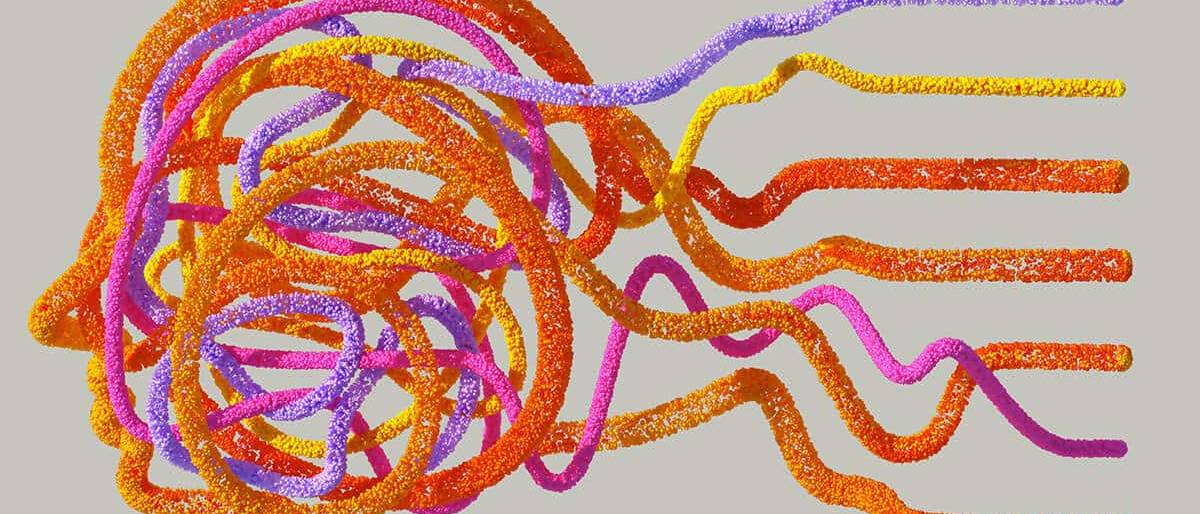
"Design powered by artificial intelligence is not just about aesthetics, it’s about creating seamless, personalized experiences that meet users’ needs before they even realize them."
Conclusion
Artificial intelligence has become a key driver in reshaping design and user experience. With advanced AI tools such as content personalisation, generative design, and chatbots, businesses can create more tailored and intuitive websites that increase engagement and customer satisfaction. AI also accelerates testing and optimisation, resulting in more efficient websites. By incorporating AI into the design process, companies can enhance not only visual appeal but also functionality and usability.
AI is transforming the future of design, are you ready to take the next step?